When Should You Replace Your Golf Wedges?
Wedge wear happens gradually. Knowing the signs can help you maintain spin, control, and confidence around the greens.
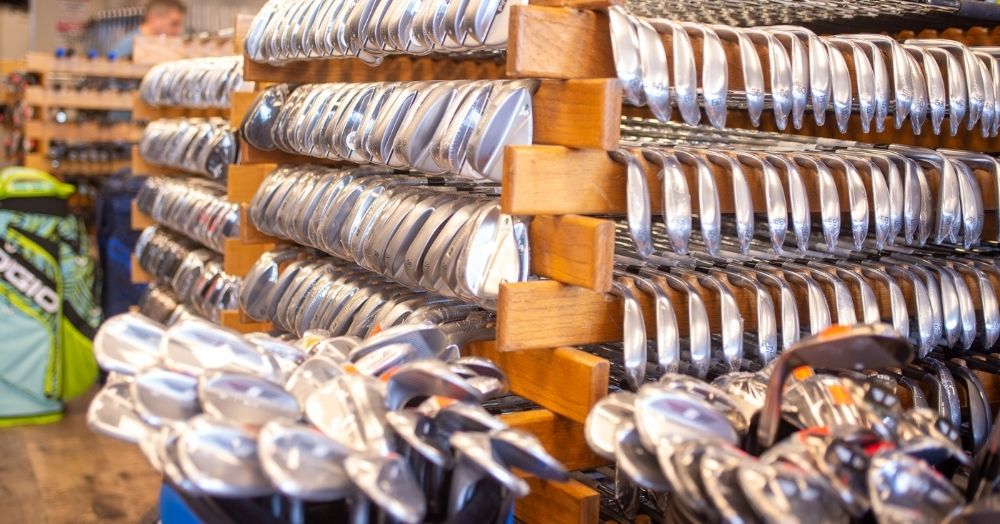
Most golfers know when a grip feels worn or a club has been damaged. Wedge wear is harder to notice because it happens a little at a time.
Wedges take a lot of abuse from full swings, bunker shots, practice sessions, dirt, and sand. Eventually, the face and grooves wear down, and shots may not spin or stop the way they used to.
So how can you tell when it is actually time for new wedges?
Quick Answer
Most golfers should replace their wedges based on use and performance, not age. Worn grooves, more rollout, less stopping power, and inconsistent distance control are some of the clearest signs that it may be time for new wedges.
Why Wedges Wear Faster Than Other Clubs
Wedges are some of the hardest-working clubs in the bag.
They are used for full swings, approach shots, pitches, chips, bunker shots, and short-game practice. Sand and dirt are especially abrasive and can speed up wear on the face and grooves.
Golfers who play and practice frequently will usually notice wear sooner than golfers who only play occasionally.
Why Wedge Grooves Matter
Wedge grooves help move moisture and debris away from the impact area so the clubface can make more consistent contact with the ball.
When the face and grooves are in good condition, it is easier to produce predictable spin, trajectory, and stopping power.
As they wear, you may begin to notice:
- More rollout after the ball lands
- Less stopping power on approach shots
- Reduced spin around the greens
- Less consistent distance control
The change usually does not happen all at once. It becomes noticeable over time as shots stop reacting the way they used to.
Signs It May Be Time to Replace Your Wedges
1. The Face and Grooves Look Worn
Take a close look at the area where you normally strike the ball.
If the grooves appear shallow, rounded, or smoother than the surrounding areas, the wedge may have significant wear. You may also notice a polished-looking spot or a clear impact pattern on the face.
2. Your Shots Are Releasing More
A shot that once stopped quickly may begin rolling farther after it lands.
Course conditions and the golf ball you use also affect spin, but a consistent change under similar conditions may point to wear on the wedge face.
3. Your Distance Control Is Less Consistent
Wedges are scoring clubs, so predictable distance is important.
When similar swings begin producing noticeably different results, worn grooves or face wear may be contributing to the problem.
4. You Play or Practice Frequently
There is no single replacement schedule that works for every golfer.
Someone who plays several times a week and regularly practices bunker shots will wear out wedges faster than someone who plays only a few times each season.
How often you use your wedges matters more than how long you have owned them.
How Long Do Golf Wedges Last?
Frequent golfers may notice a decline in performance after a year or two, while occasional golfers may get several seasons from the same wedges.
Instead of replacing wedges based only on age, consider:
- How often you play
- How often you practice
- How many bunker shots you hit
- Whether you have noticed more rollout
- Whether spin and distance control have become less consistent
Regular cleaning can help your wedges perform properly, but it cannot prevent normal wear forever.
Can Worn Grooves Be Restored?
Cleaning dirt and debris from the grooves can help your wedges make cleaner, more consistent contact.
However, cleaning cannot restore metal that has worn away. Groove-sharpening tools may change the appearance of worn grooves, but they do not return the wedge to its original condition.
Once the face and grooves are significantly worn, replacing the wedge is the most reliable way to restore spin, control, and consistency.
Other Reasons to Consider New Wedges
Wear is not the only reason your current wedges may no longer be the best fit.
Your swing, technique, course conditions, or preferred shots may have changed since you bought them. A different combination of loft, bounce, grind, or shaft may now work better for your game.
Replacing worn wedges also gives you an opportunity to make sure your setup still fits the way you play.
Key Takeaways
- Wedges can wear faster than other clubs because of how frequently they are used.
- Sand, dirt, and regular practice can speed up face and groove wear.
- More rollout, reduced stopping power, and inconsistent distance control may indicate wear.
- Replacement timing depends more on use than age.
- Cleaning helps maintain performance but cannot restore worn metal.
Bottom Line
Wedge wear happens slowly, so it can be easy to miss. If your shots are rolling out more, your distance control feels less predictable, or the face looks noticeably worn, it may be time to take a closer look.
Bring your wedges into Lenny’s Ski & Golf in Aurora, and we will take a look at them with you. We can help you decide whether they still have plenty of life left or whether a new setup would better fit your game.
You can also schedule a club fitting to take a closer look at your current setup.


Ski Season Wrap-Up Alert!
The final day for ski rentals this season is March 30th! Make the most of the remaining slopes before we switch gears for golf season. Plan ahead & grab your rentals while you can!